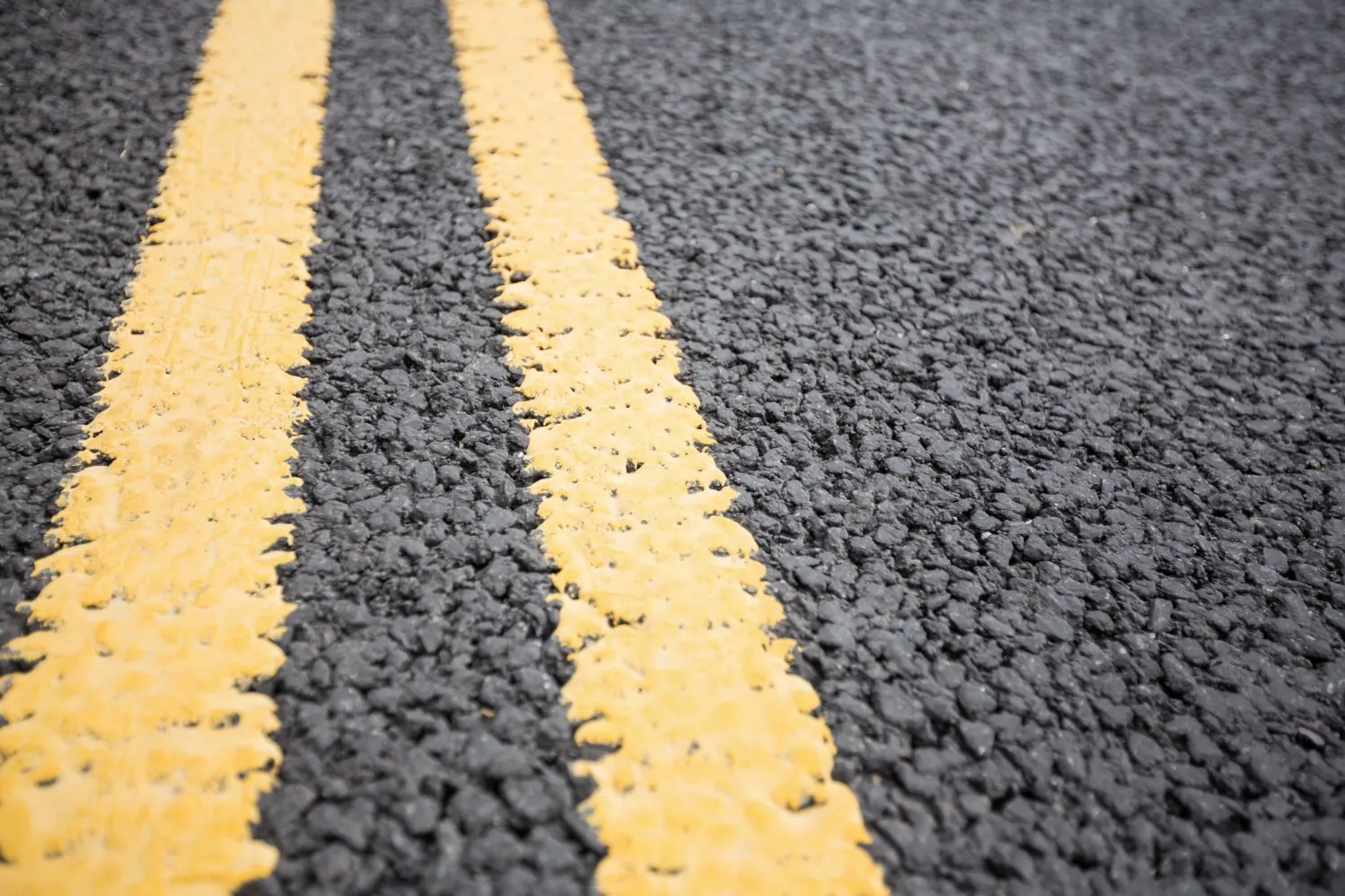
Thermoplastic markings are strongly associated with public roads, but their applications extend well beyond conventional highways. Any large property where vehicles, pedestrians and operational equipment share space can benefit from clearly planned traffic markings.
Thermoplastic Road Marking Services for Highways, Industrial Areas and Parking Areas can therefore address very different movement and safety requirements depending on the site.
Highways Need Consistent Driver Guidance
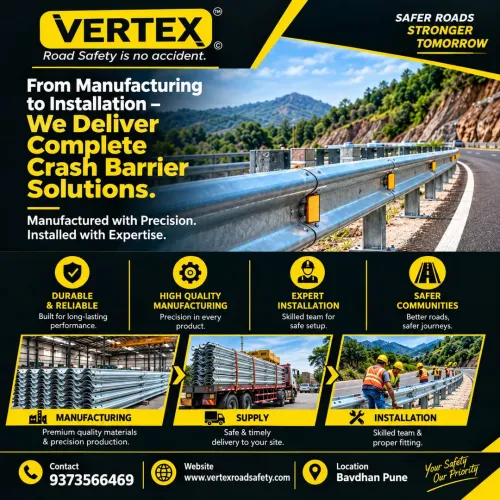
On highways, markings communicate lane boundaries and other critical instructions while vehicles are moving at speed.
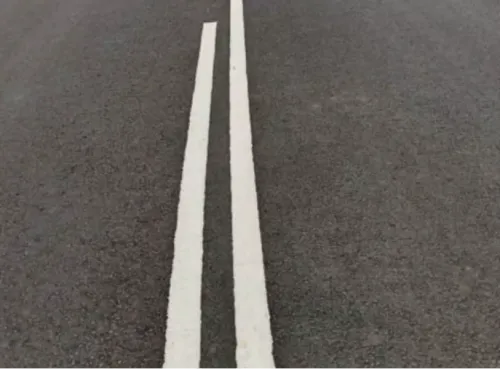
Applications may include lane separation, edge markings, stop lines, directional arrows and pedestrian crossing areas where applicable. Layout and application should follow the project specifications and relevant road requirements.
Industrial Areas Have Mixed Traffic
Factories, logistics parks and warehouses present a different challenge.
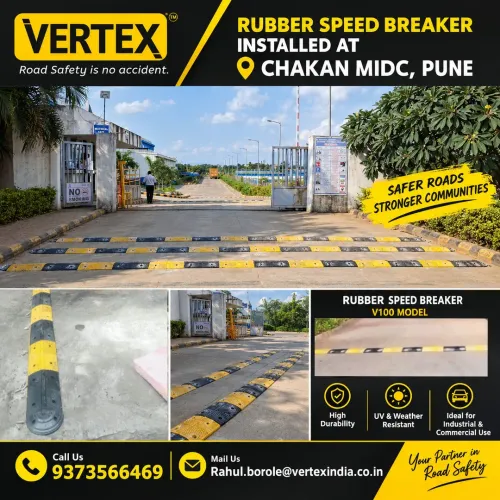
Cars may share internal roads with trucks, forklifts and pedestrians. Loading docks can create additional vehicle movements, particularly during shift changes and dispatch periods.
Markings can help identify:
- Vehicle lanes
- Pedestrian routes
- Loading zones
- Restricted areas
- Parking spaces
- Directional movement
- Stop locations
The objective is not simply to add lines to the pavement. It is to make circulation easier to understand.
Parking Areas Need Efficient Space Organization
A poorly marked parking area can waste usable space and create unnecessary conflict between entering, exiting and parked vehicles.
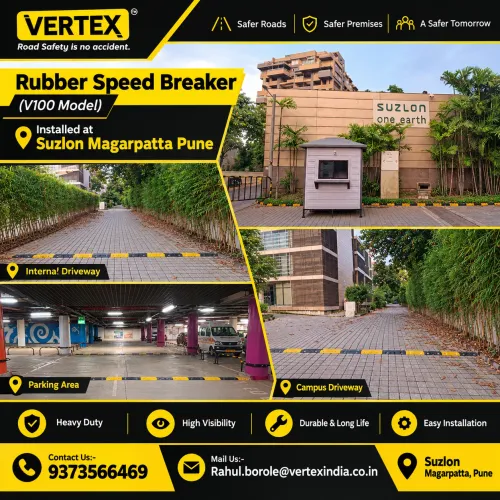
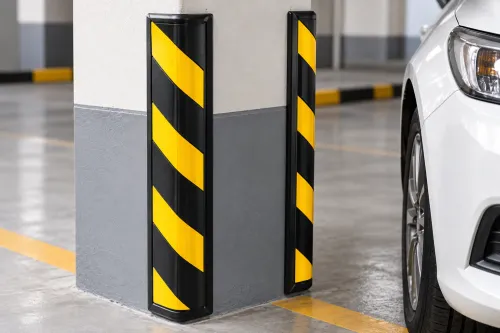
Well-planned markings help define individual bays, directional arrows, pedestrian paths and restricted zones. They can also complement physical products such as parking stoppers, corner guards and speed-control devices.
Site Conditions Influence Material Application
The same marking specification should not automatically be copied from one environment to another.
Surface type, pavement age, existing coatings, traffic volume and operating conditions can influence preparation and application requirements. Industrial sites may also have contamination from oils or operational activities that must be addressed before marking begins.
For projects in Pune and elsewhere in Maharashtra, weather and site scheduling also deserve consideration. Application should be coordinated with suitable surface conditions and operational availability.
Thermoplastic marking works best when treated as part of a broader traffic-management plan. Highways require clear driver guidance, factories need separation between different movements, and parking facilities need efficient circulation.
Understanding the actual use of the site before deciding where lines should go can make the finished marking considerably more useful.
Keywords