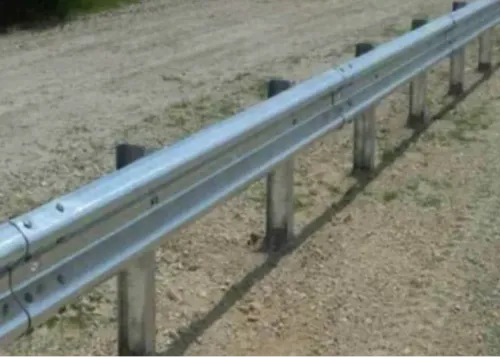
Installing a roadside barrier may look straightforward from a distance: position the posts, attach the rails and continue along the road. On an actual highway or infrastructure site, considerably more planning is involved.
A Crash Barrier Installation Contractor for Highways and Infrastructure Projects has to translate drawings and technical requirements into an accurately installed roadside safety system. Before work starts, several site conditions should therefore be checked.
Start With the Approved Alignment
Barrier positioning should be based on project requirements rather than visual judgement alone.
The installation team needs to understand where the barrier begins, where it terminates, how it follows horizontal and vertical road geometry, and how it interacts with structures, medians and other roadside elements.
Setting out the alignment before installation reduces the risk of unnecessary corrections later.
Check Ground and Site Conditions
Posts depend on appropriate installation conditions. Existing utilities, drainage structures, concrete areas, unusually hard ground and other obstacles can affect execution.
Before work progresses, teams should identify site constraints that could interfere with the planned post locations.
Confirm the Components
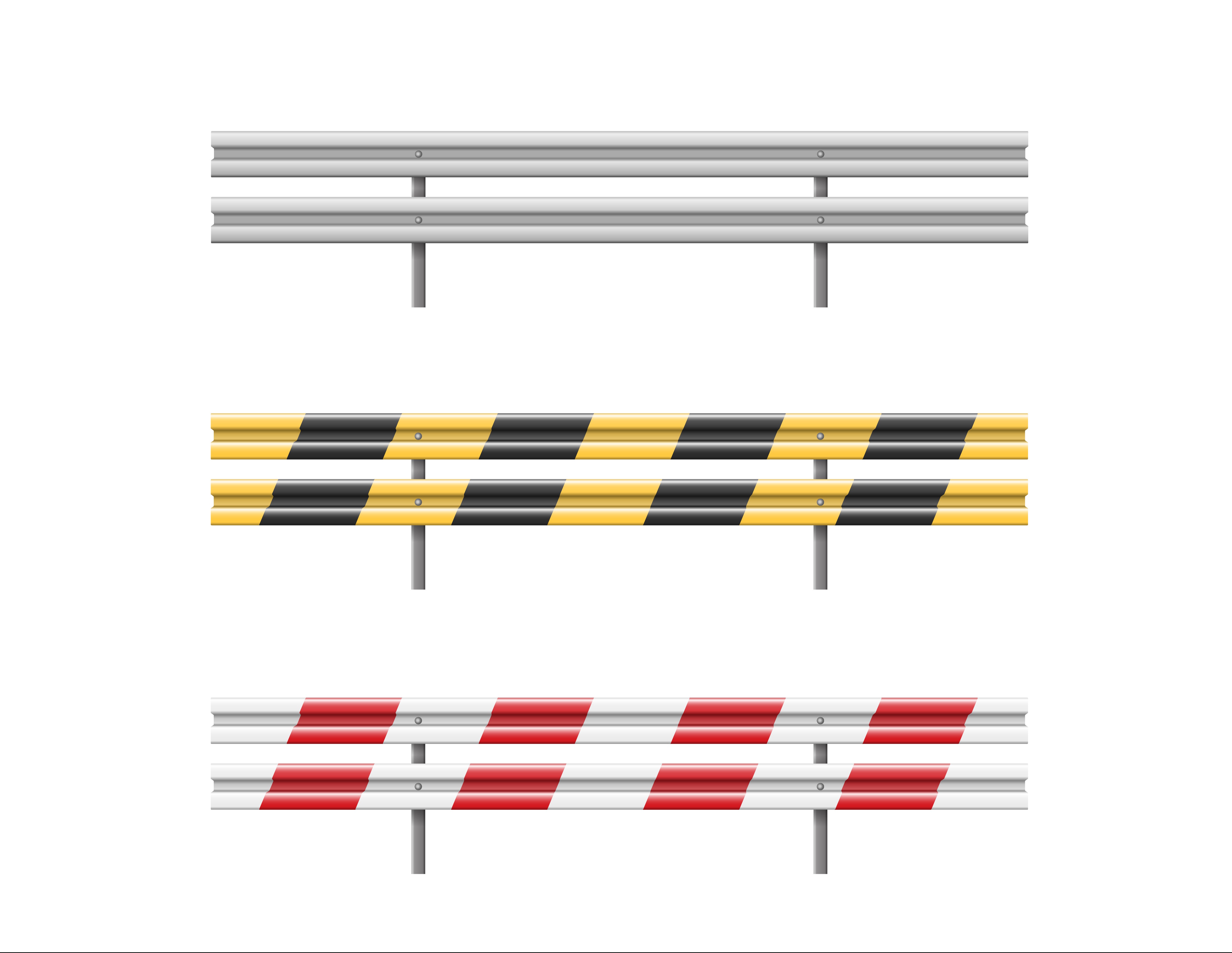
Crash barrier performance depends on the assembled system. Contractors should verify that the required rails, posts, spacers, bolts, nuts and other specified components are available before installation proceeds across a long section.
Mixing incompatible or incorrectly specified components can create avoidable problems.
Coordinate With Other Highway Activities
Barrier installation rarely happens in isolation.
Road construction, drainage work, electrical installations, signage, road marking and landscaping may be taking place within the same project. Poor sequencing can result in completed work being disturbed by another contractor.
A practical installation plan should therefore consider:
- Site readiness
- Material movement
- Installation sequence
- Traffic management
- Inspection access
- Coordination with adjoining works
Inspect the Finished Barrier
Completion should include more than counting the installed metres.
Alignment, rail continuity, connection points, post positioning and visible damage should be reviewed against the applicable project requirements. Areas around curves, transitions and terminations deserve particular attention.
Highway and infrastructure development continues across Pune and other parts of Maharashtra, creating varied road environments where roadside protection may be required. Understanding the preparation behind crash barrier installation helps project managers identify potential execution problems before they become expensive rework.
The strongest installation process begins well before the first post enters the ground.