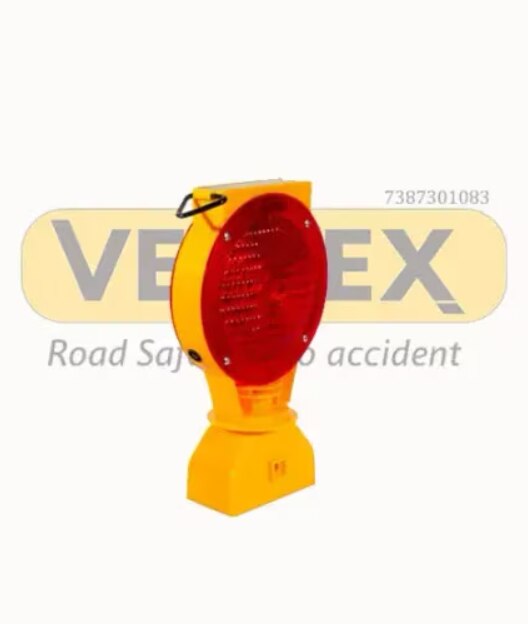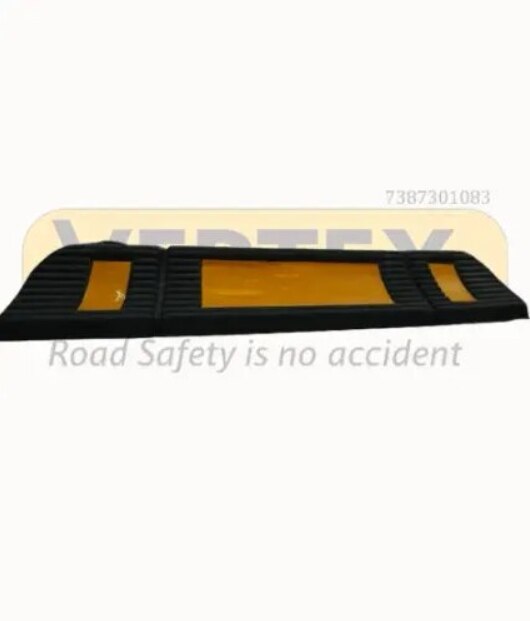
A V35 post is useful for guiding vehicles and marking hazards, but the product name alone does not tell you whether it will suit your surface, traffic movements, or protection requirement. You will be able to compare post types, specify the missing dimensions and materials, plan a safe layout, and assess a Pune supplier’s installation quotation.
Key takeaways
- Use V35 posts for visible, recoverable channelisation—not impact containment.
- Compare spacing, visibility and recovery against cones, bollards, barriers and road studs.
- Demand layout, anchoring, materials, warranty and replacement terms in the quotation.
- Inspect posts for cracks, fading, loose fixings and loss of vertical recovery.
What a V35 post controls—and where it becomes the wrong choice
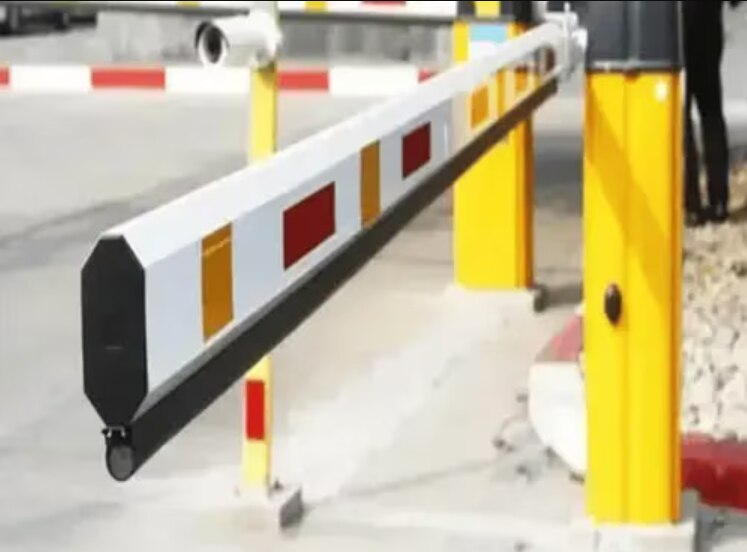
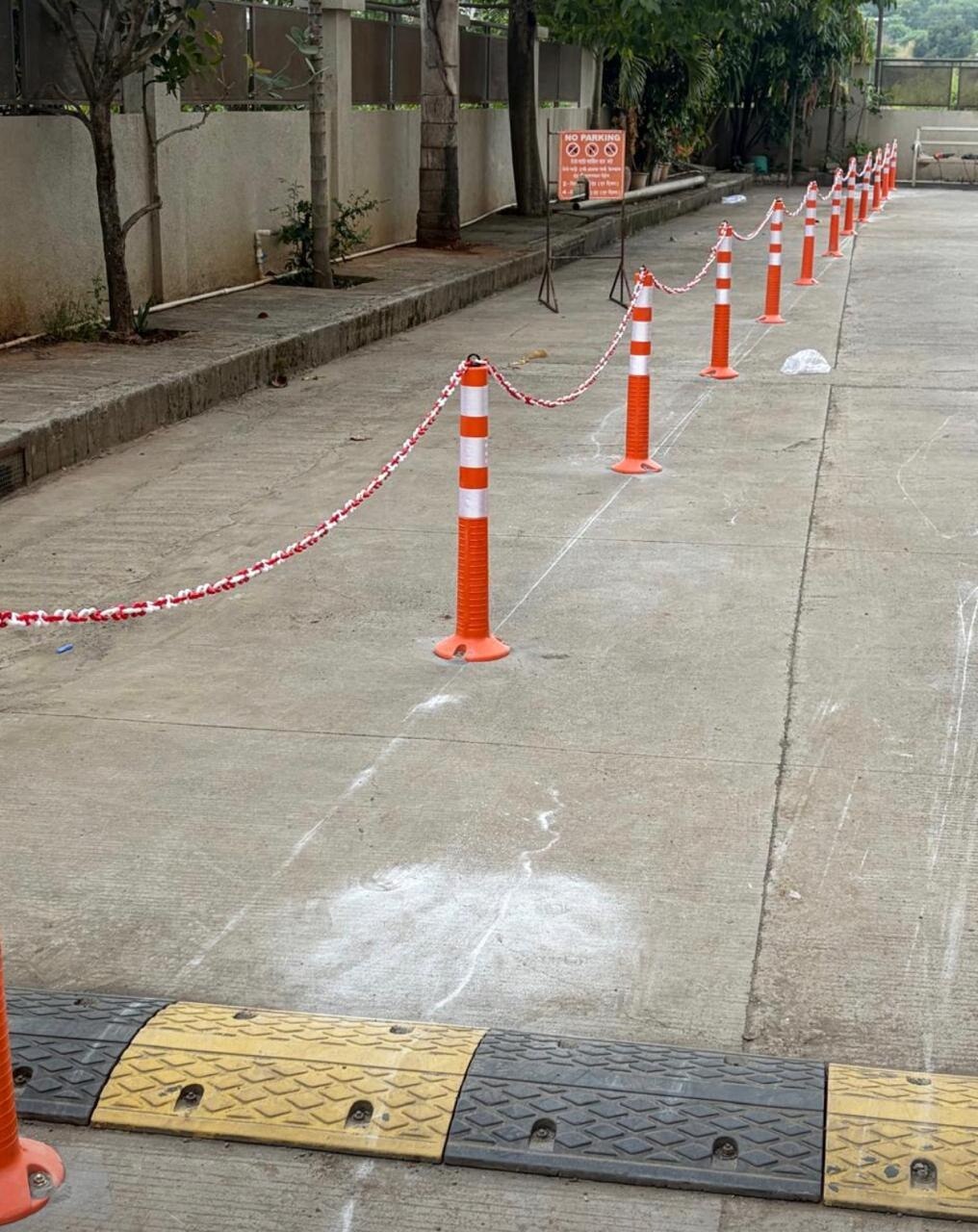
A flexible traffic post in Pune manages movement rather than stopping a vehicle. Use it for lane separation, channelisation, driveway and parking guidance, work-zone delineation, gate access control, and marking pedestrian or vehicle conflict points where drivers need a visible, recoverable cue.
V35 is a product designation, not a universal Indian road-safety standard. Ask for the manufacturer’s drawing, dimensions, material, post height, base size, reflector area, and impact or recovery test data before comparing products.
- Identify the intended impact: accidental tyre contact, mirror contact, or a direct vehicle strike.
- Record the traffic speed and turning path, including delivery vehicles, buses, two-wheelers, and reversing movements.
- Decide the consequence of contact. A flexible post suits repeated low- to medium-energy contact where recovery and visibility matter.
- Reject it where the location needs vehicle restraint, crash protection, permanent containment, or resistance to deliberate removal.
A flexible post does not replace a crash barrier, guardrail, vehicle-restraint system, hostile-vehicle bollard, or permanent containment barrier. It cannot protect a drop, structure, crowd, or critical asset from a determined impact.
If a failed post would let a vehicle enter a pedestrian area, cross a traffic lane, hit infrastructure, or breach a gate, specify a rated barrier or bollard instead. Select V35 only after the impact, speed, path, and failure consequence are documented.
How to compare a V35 with cones, bollards, barriers, and road studs
Choose the device by consequence, not unit price. A V35 spring post in Pune suits repeated low- to medium-energy contact where the marker must recover; it does not provide crash restraint or permanent containment.
| Option | Best use | Limitation |
|---|---|---|
| V35 spring-return post | Lane separation, access control, parking and work-zone guidance | Needs stated deflection, recovery and replaceable spring |
| Rigid bollard | Permanent pedestrian or asset protection | Vehicle impact transfers force to pavement and vehicle |
| Steel delineator | Durable edge or alignment marking | Usually does not tolerate repeated strikes |
| Traffic cone | Temporary, movable warning | Easily displaced, stolen or ignored |
| Water-filled barrier | Temporary channelisation and containment | Requires storage, filling and stable placement |
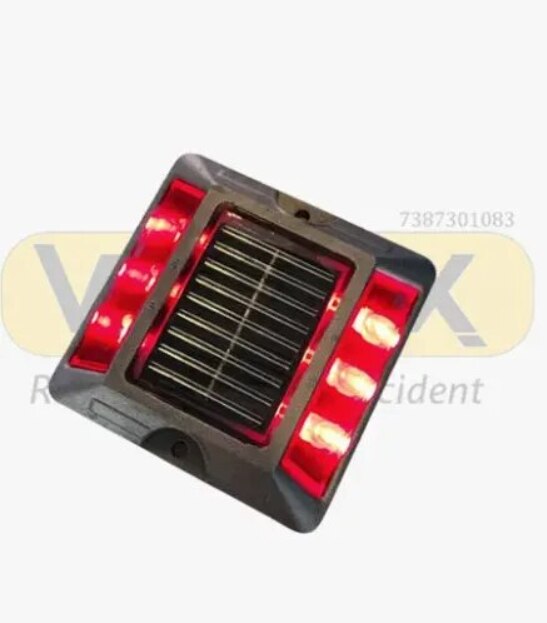
| Road stud | Lane guidance at pavement level | Cannot control vehicle paths or block access |
Do not treat “spring post” and “flexible post” as synonyms. A mechanical spring or hinge returns one design; moulded polyurethane, rubber or elastomer posts rebound through the compound, with different fatigue, anchoring and replacement behaviour. A quotation must state permitted deflection, recovery time, spring replaceability, corrosion protection, or material rebound behaviour.
Before you buy flexible bollard post in Pune, require:
- Finished visible and overall height, shaft diameter, base length and width, mounting-hole pattern, total weight, polyurethane grade or compound, UV stabilisation, operating-temperature range, Shore hardness where relevant, and oil/diesel resistance.
- Colour options, reflective-tape width and colour, sheeting class or photometric requirement, viewing direction, visibility distance, and impact or recovery test data.
Reject “high visibility” alone; V35 is a product designation, not a universal standard. Confirm the intended turning path and impact consequence before choosing it.
How to set out and install flexible posts on a Pune site
Measure the site before ordering: kerb, wall, drain, buried utility, pedestrian, vehicle-mirror, and turning-path clearances. Confirm the finished road level and record the intended visible height above the pavement; kerb mounting, plates, and sockets can reduce it.
1. Record coordinates or chainage, lateral offset from the running lane, proposed spacing, traffic direction, and reflective-face orientation. Use the project drawing or approving authority’s layout, not a generic spacing rule.
At corners, junctions, crossings, parking bays, gates, and narrow lanes, adjust spacing and end treatment for sight distance, curve geometry, pedestrian movement, gate swing, and turning paths.
2. Choose surface mounting, embedded sockets, bonding, or anchor bolts from the substrate and removal requirement. Check concrete thickness and edge distance before drilling. Cracked concrete, paving blocks, and asphalt-only fixing require a design decision, not routine drilling.
3. Drill to the anchor manufacturer’s specified depth, clean each hole, install the anchors, and tighten the base without distorting it. Check vertical alignment, visible height, and reflective-face direction. For chemical anchors, observe the resin’s stated cure time and do not reopen traffic until the fixing reaches its specified strength.
4. Photograph the surface before work and every installed post afterward. The setting-out record should show coordinates or chainage, spacing, offset, anchor type, orientation, and photographs so inspections and replacements remain traceable.
This sequence makes flexible post installation in Pune auditable rather than dependent on a supplier’s standard spacing or an apparently strong base plate.
What to demand from a V35 supplier and installation quotation
Choose a V35 flexible post supplier in Pune by demanding evidence and a complete installed cost, not the lowest unit price.
| Evidence | Require | Why it matters |
|---|---|---|
| Drawing | Dimensioned post, base or socket, hole pattern, and visible height from finished pavement level | Overall moulded length can overstate installed height |
| Performance | Material and UV statement, colour, reflective-tape width and colour, sheeting class or photometric requirement, impact or recovery data | “High visibility” is not measurable |
| Installation | Base and anchor detail, installation method, substrate assumptions, warranty, replacement criteria | Asphalt, cracked concrete, and paving blocks need different fixing decisions |
Make the quotation separate posts; bases or sockets; anchor bolts or chemical resin; drilling or excavation; traffic control; utility checks; pavement repair; taxes; disposal; and future call-out replacement.
During a site visit, Vertex Road Safety Products should confirm:
- Coordinates, spacing, lateral offsets, drainage conflicts, access restrictions, traffic-management needs, and delivery sequence.
- The person approving the final layout, plus the finished pavement level used to measure visible height.
Require a handover record stating anchor type, bolt-tightening or chemical-resin curing details, installation photographs, reflective-face orientation, and replacement-part information. A proper record makes a later damaged-post replacement match the original fixing rather than triggering another site survey.
Related products
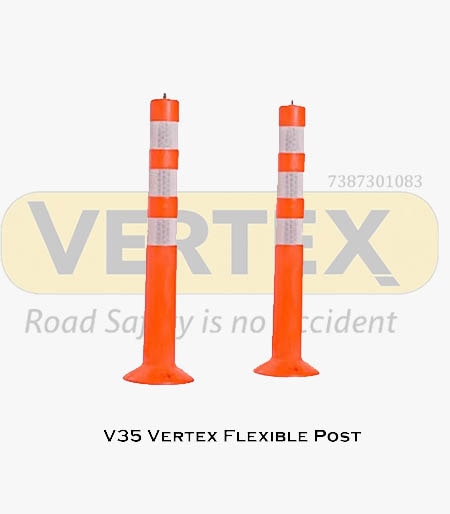 | V35 Vertex Flexible Post The spring post is made of special flexible material(Polyurethane). View product → |
 | Highly Flexible Post The spring post is made of special flexible material(Polyurethane). View product → |
How to inspect, maintain, and replace installed V35 posts
1. Before accepting flexible post installation in Pune, check every post against the approved drawing. Confirm vertical alignment, visible height from finished pavement level, reflective faces toward approaching traffic, clean bonded tape, fully seated anchors, and base plates clear of pedestrian paths.
Inspect the impact side for sharp edges or detachable parts that could enter the traffic lane.
2. Create a handover and inspection record for each location. Include chainage or coordinates, inspection date, damage type, photographs, and replacement action. Add post spacing, lateral offset, reflective-face orientation, anchor type, and before-and-after installation photographs so future road-authority checks and replacements are quicker.
3. Clean reflective surfaces with water and mild detergent. Do not use abrasive tools, which scratch the tape and reduce night-time visibility. Inspect after vehicle strikes, road works, flooding, or resurfacing; a post that remains upright can still have lost its delineation function.
4. Replace a post for any permanent lean, torn or detached tape, cracked base, loose anchor, lost rebound, UV embrittlement, or deformation that reduces clearance. Record the failure and replacement cost by location to identify expensive zones and keep suitable spare posts available.
5. If several posts fail at one point, review spacing, end treatment, and the turning path before ordering another replacement. Repeated strikes indicate a layout or vehicle-movement problem, not a series of isolated product failures.
Frequently asked questions
What does a V35 flexible post control, and when is it the wrong choice?
A V35 flexible post guides vehicles and pedestrians through lanes, driveways, parking areas and conflict points. Choose a barrier or crash-rated protection when you need to stop, contain or redirect a vehicle impact.
How does a V35 compare with cones, bollards, barriers and road studs?
Cones provide temporary, movable guidance; bollards offer a more fixed visual boundary; barriers provide stronger physical separation; and road studs mark alignment at ground level. Select based on visibility, permanence, impact exposure and the required access width.
How should you set out and install flexible posts on a Pune site?
Mark the intended vehicle path, pedestrian clearance, post spacing and access points before drilling or fixing. Confirm the surface condition, keep posts visible from approach distances, and check each installed post for vertical alignment and recovery.
What should a V35 supplier and installation quotation include?
Ask for the post specification, material, colour, reflective features, quantity, spacing plan, fixing method, surface preparation, installation scope, warranty, maintenance terms and replacement lead time.
How do you inspect and maintain installed V35 posts?
Check alignment, spring-back, cracks, fading, reflective surfaces, base fixings and damage after impacts. Clean visible surfaces, tighten or replace loose components, and replace posts that no longer return upright or remain clearly visible.
Keywords