Road safety on highways and infrastructure corridors depends on more than signs, markings and speed limits. Physical roadside protection is equally important, particularly where vehicles may leave the carriageway and encounter medians, embankments, bridge approaches or fixed roadside hazards.
A Metal/W-Beam Crash Barrier Manufacturer & Installation in Pune/Maharashtra supports this requirement by providing containment systems designed to manage vehicle impact and reduce the severity of certain roadway departure incidents.
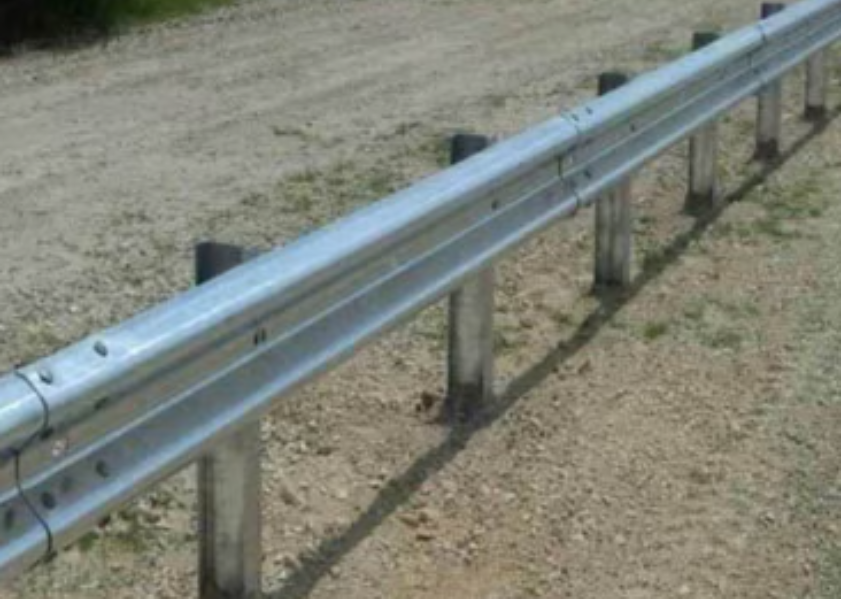
W-beam crash barriers are recognizable by their corrugated steel rail profile. The rail is mounted on posts positioned along the required stretch of road. Rather than functioning as a completely rigid wall, the barrier system is intended to work through the combined performance of the rail, posts, connections and installation geometry.
Where W Beam Crash Barriers Are Commonly Used
Their application depends on road design and risk assessment, but typical locations can include:
- Highway medians and road edges
- Bridge approaches
- Flyovers and elevated road sections
- Curves with roadside hazards
- Embankment sections
- Industrial access roads
- Infrastructure development corridors
- Locations near fixed roadside objects
The presence of a barrier alone does not automatically make a road section safer. Its position, height, post spacing, continuity, terminals and connections all influence how the installed system performs.
Why Installation Details Matter
A common mistake is treating crash barriers as ordinary metal fencing. Their purpose is very different.
Installation needs to consider site drawings, road geometry, ground conditions, barrier alignment and the requirements specified for the particular project. Poor alignment, unsuitable post positioning or incorrect assembly can compromise the intended performance of the system.
This becomes particularly relevant across Maharashtra, where road projects can range from urban infrastructure around Pune to highways, industrial corridors and regional road networks.
Material Quality Is Only Part of the Decision
Buyers often begin by comparing steel thickness, galvanization and pricing. These are important considerations, but they should not be evaluated independently of the complete system.
Project teams should also review:
- Barrier profile and dimensions
- Post and spacer specifications
- Fasteners and connection components
- Corrosion protection
- Required installation configuration
- End-treatment requirements
- Project drawings and technical specifications
Environmental exposure should also be considered when selecting materials and protective finishes.
A properly planned W-beam barrier is therefore a coordinated road safety system rather than simply a length of galvanized steel. For highway authorities, EPC contractors, developers and infrastructure teams in Pune and across Maharashtra, understanding that distinction helps improve specification, procurement and site execution.